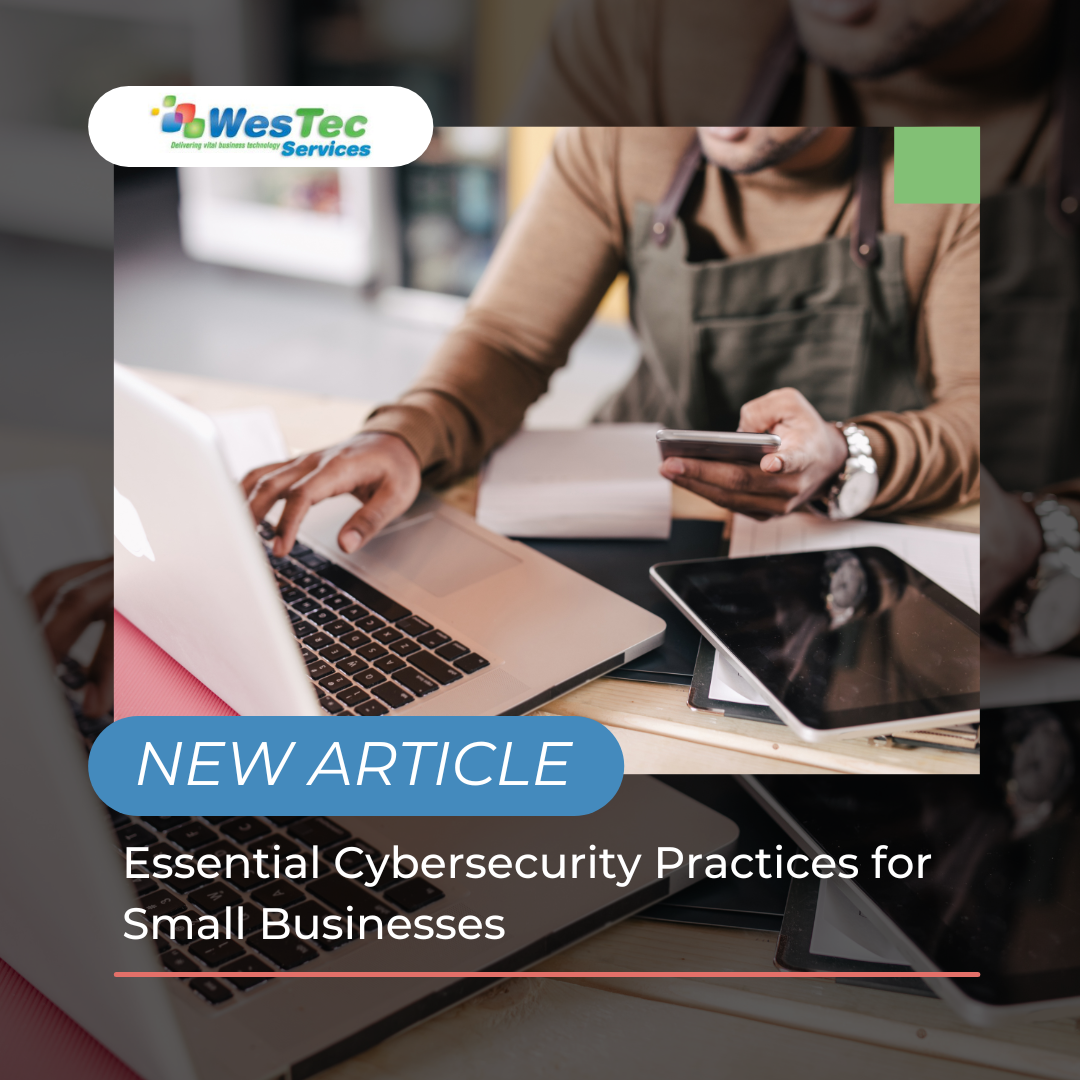
Small businesses are an essential and often beloved part of communities. However, their size and statistically weaker security measures put them at risk for cyber attacks. Read on to learn helpful tips to protect small businesses from losing important data or customer information.
Limit Access to Information
As a business with a small number of employees, it can be easy to provide everyone in the organization with access to all data. However, it is essential to keep track of who has access to what information to reduce the risk of hackers preying on employees. Employees should only have access to data that is essential to their role and should not be able to install software without permission. This ensures that employees do not accidentally install software that contains malware or mistakenly fall for a phishing attempt.
Secure Wifi Networks
Having an encrypted and password-protected wifi network is essential for protecting any business from attacks. If your business has a public wifi network for customers, consider having a second protected network for things like cash registers or computers that store important data. Wifi networks can even be hidden from the public in instances like these, so taking this step can further reduce the risk of someone unknown connecting to the network that powers computers with sensitive data.
Training Employees
Creating data protection guidelines for employees to follow is essential in protecting important data. This can be password regulations, anti-virus software on computers, and training sessions to ensure employees know how to spot various cybersecurity threats. Protecting data in a small business is everyone’s responsibility, so it is important to ensure that everyone in an organization is properly trained and educated about cyber risks.
Consult with Cybersecurity Experts
Consulting with experts in the cybersecurity field is essential in protecting businesses. There are many cyber threats beyond the obvious phishing and hacking attempts. 41% of small business owners believe that cyber-attacks only happen to larger businesses, but 41% of small businesses have been victims of cyber attacks. Small businesses are much more vulnerable than larger businesses, so consulting with professionals is essential to ensure the security of a small business’ data.
The world of IT is evolving at an unprecedented pace and being driven by the rise of emerging technologies. Businesses that embrace these trends stand to gain a competitive edge, unlocking new possibilities and efficiencies. As we navigate the future of IT, staying informed and adapting to these transformative technologies will be crucial for organizations and individuals alike. Learn about which of our IT services may suit your business’s needs the best. If you have any questions about our IT services, contact us today! Follow us on Facebook to keep up with our latest blogs!
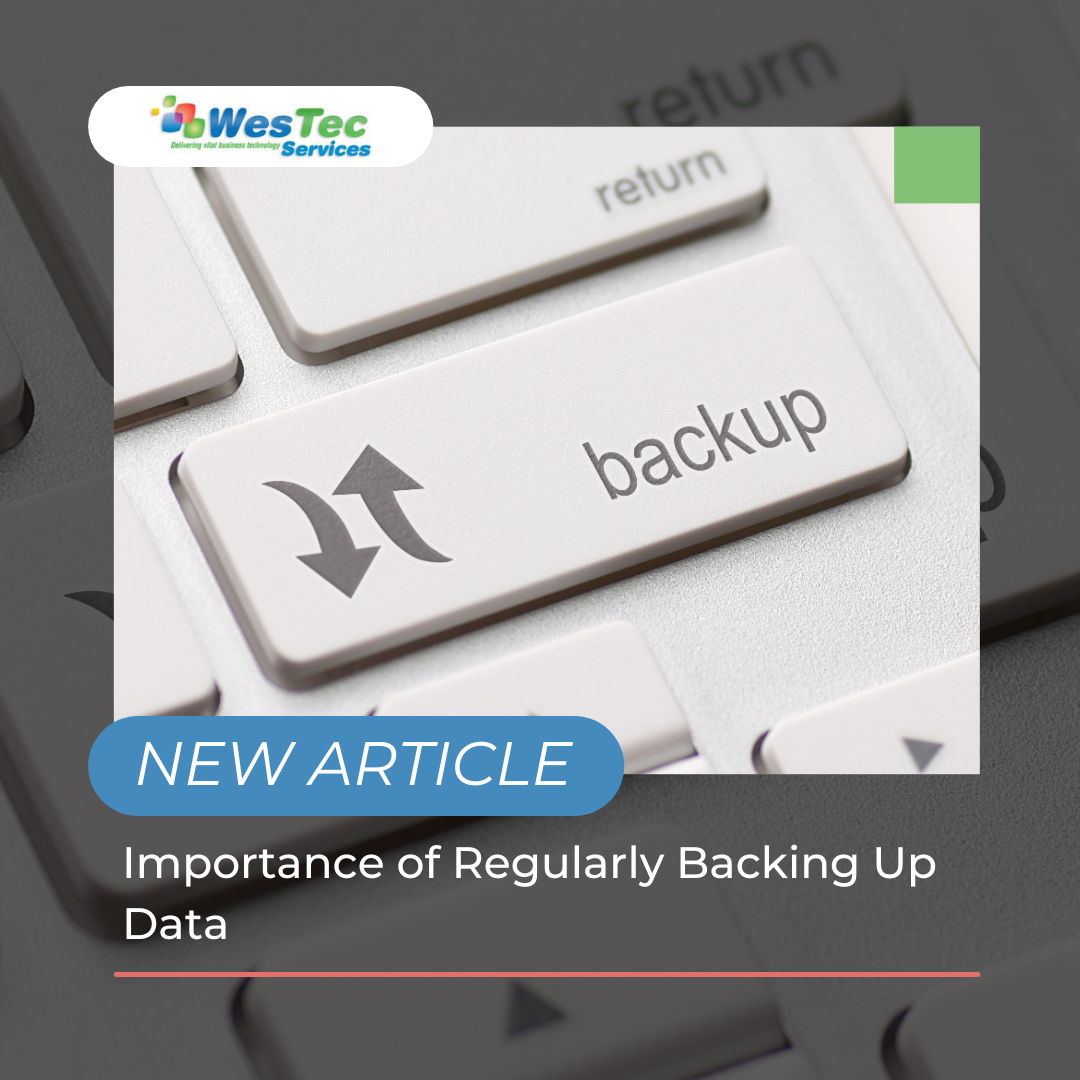
Backing up data is important for every business. About 30% of businesses have lost data in the past five years due to an outage. Making sure data is backed up properly and often is crucial for a business’s continued success and seamless operation.
Many businesses report that backing up data is “on their to-do list,” but seldom actually follow through. Backing up data is not something that a business should procrastinate on, especially since today’s hard drives store 500 times the amount of data than hard drives did a decade ago. Losing an immense amount of data can be devastating for a business and may take time to fully recover from.
Backing up data is important, but how often does it need to be done? WesTec recommends backing up data every night and performing a full system restore once a month to ensure a backup system is working.
Many computers have this feature built-in and can be set to automatically backup files at a certain time every day. An optimal time for this may be at the end of the work day when computers are still on and can go into sleep mode when the data backup is complete. If backups are done every night, it is very easy to spot when files become corrupted because it will be front and center the next morning.
A large portion of the time, data loss occurs from a hard drive or software malfunction. While malfunctions are not preventable, and all drives will eventually fail at some point, being prepared by having backup data stored is essential. Data loss can mean loss of business, time, and money.
WesTec offers a free report for small business owners on the health of their network. We will outline three critical checks: the most expensive mistake small business owners often make, six critical security measures, and how to greatly reduce computer crashes. Our IT consultants will offer free advice in this simple report.
Additionally, WesTec offers stress-free data backup and disaster recovery solutions. We will be the liaison between any technology vendors that may be required, taking all of the frustrating communication out of the picture. We offer a variety of data backup solutions. Contact us today and our IT consultants will gladly help find the option that works best for your business.
The world of IT is evolving at an unprecedented pace and being driven by the rise of emerging technologies. Businesses that embrace these trends stand to gain a competitive edge, unlocking new possibilities and efficiencies. As we navigate the future of IT, staying informed and adapting to these transformative technologies will be crucial for organizations and individuals alike. Learn about which of our IT services may suit your business’s needs the best. If you have any questions about our IT services, contact us today! Follow us on Facebook to keep up with our latest blogs!
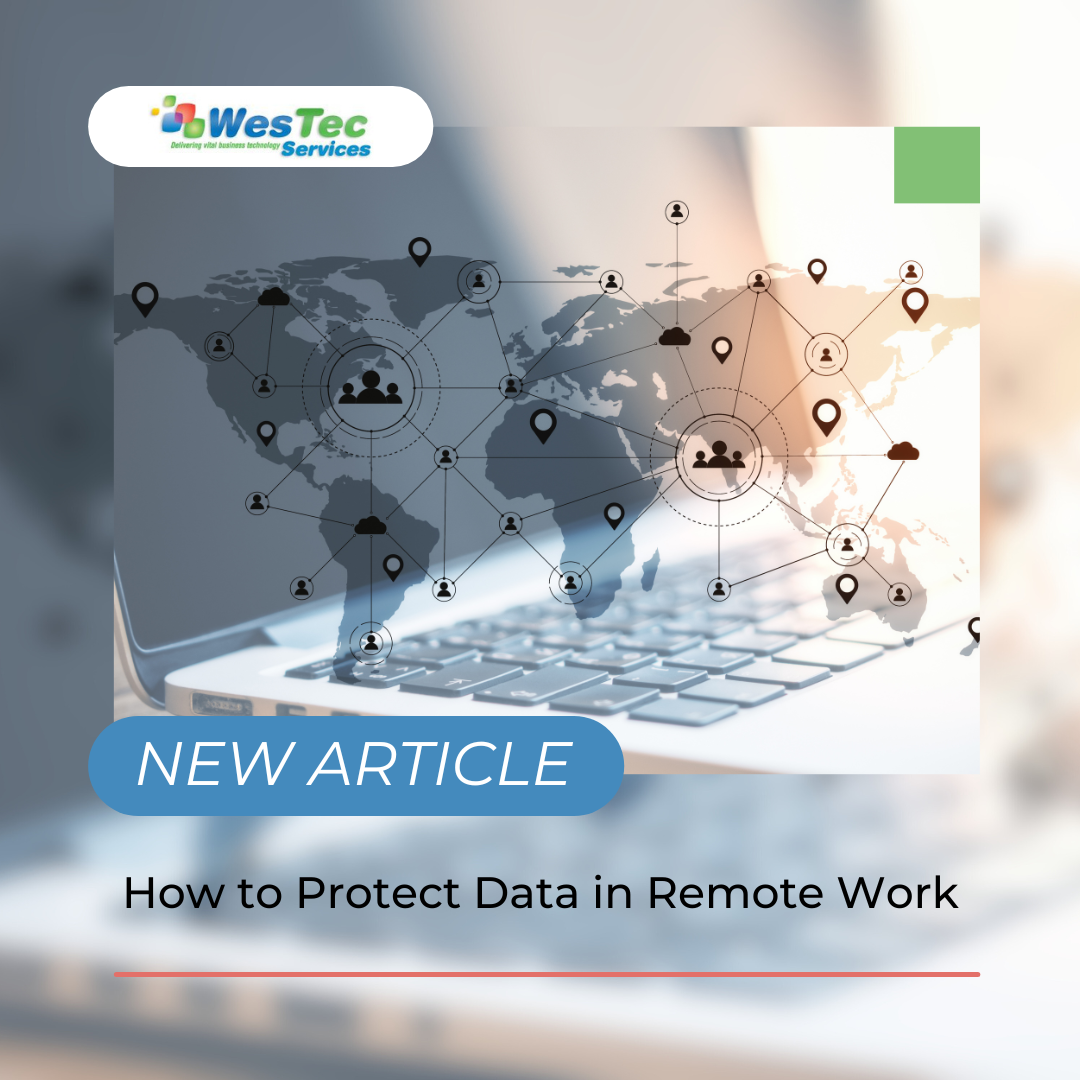
Data protection is more important than ever as data leaks and hacks are becoming more and more common. As remote work has risen in popularity, the job market has proven that this form of work environment is here to stay. It can be difficult to keep track of a company’s data when employees are in different locations, but having proper standards and procedures in place can help ensure data is protected.
Use a Virtual Private Network (VPN)
Working from a public location through public wifi, such as a cafe, has more risks involved with security. A VPN connects through a secure server and adds another layer of security, especially when working through an open network like public wifi. Even though a VPN is most useful for public wifi networks, it can also be a good idea to err on the side of caution and use one while working from home.
Keep Work and Personal Separate
Setting clear boundaries and using a work-designated computer is one of the best ways to ensure that sensitive company data is protected when working remotely. If this isn’t an option, having separate profiles on a computer for work and personal can help achieve this separation as well. Additionally, if using a personal device is necessary, keeping it up to date is vitally important.
A personal computer isn’t connected to a company’s network so it likely won’t have the same antivirus software and other safeguards. Additionally, companies are able to push updates onto all company-owned devices, but it’s often not possible to do this with an employee’s personal computer. Ensuring that software is up to date is an important step in ensuring that data is protected when an employee isn’t physically in the office.
Employee Training
Ensuring that employees have adequate training is important in all aspects of a business, especially data protection. Some employees may not know the importance of these policies, so training is important when working remotely because they no longer have IT nearby.
These regular training sessions may include things like how to spot phishing emails, how to use a password manager, and how to set software to automatically update. Adequate employee training is essential to ensure that a company is safe from cyber threats.
Reliable Network
Ensuring that employees have a reliable network, whether in-office or remotely, is important. WesTec offers free computer network health check audits to see if a network is properly maintained for maximum speed, security, and performance. We can also provide guidance on remote access technology as well as upgrades of a computer system.
The world of IT is evolving at an unprecedented pace and being driven by the rise of emerging technologies. Businesses that embrace these trends stand to gain a competitive edge, unlocking new possibilities and efficiencies. As we navigate the future of IT, staying informed and adapting to these transformative technologies will be crucial for organizations and individuals alike. Learn about which of our IT services may suit your business’s needs the best. If you have any questions about our IT services, contact us today! Follow us on Facebook to keep up with our latest blogs!
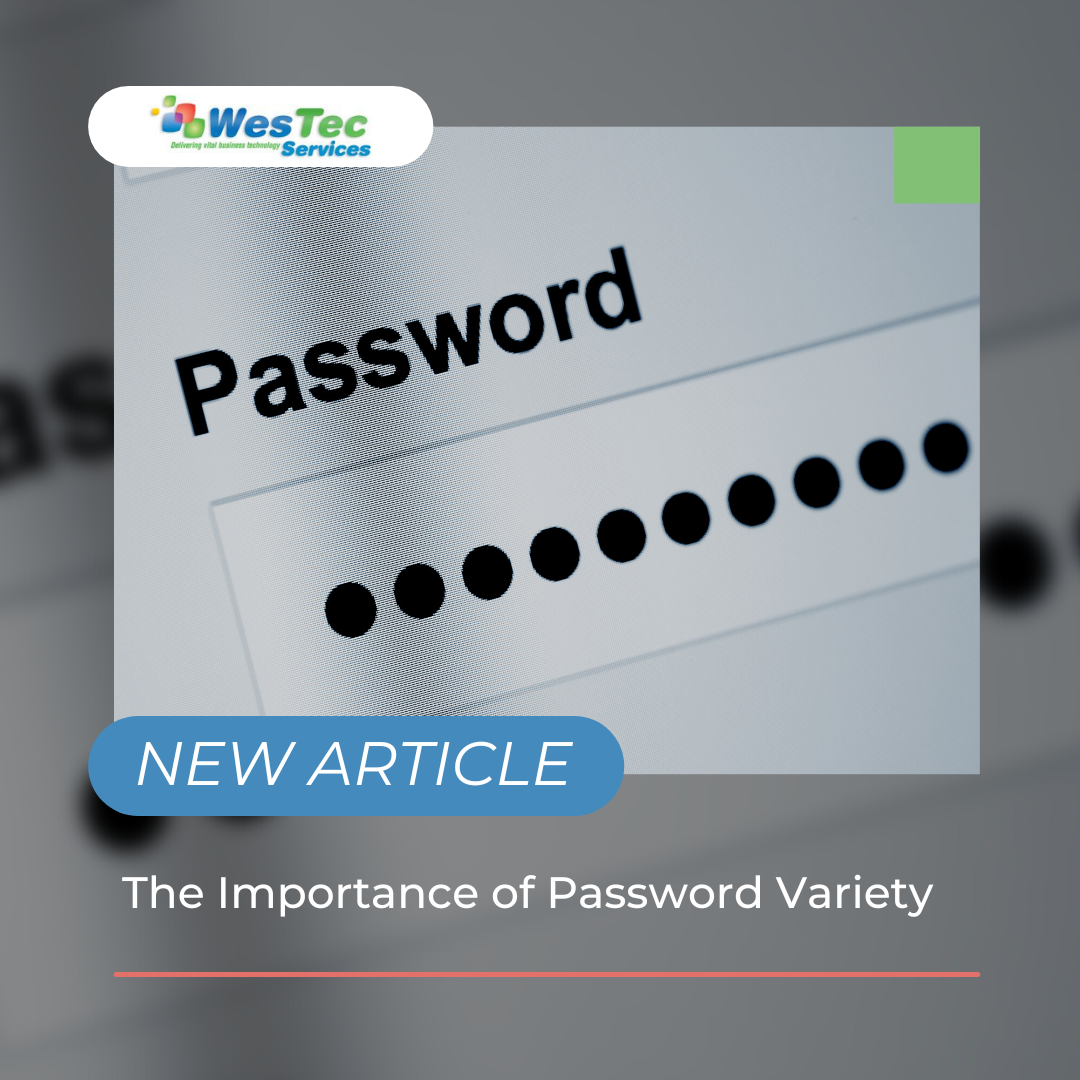
A strong password is the key to protecting your business’ information. However, it is also important to not use the same password for everything in an organization. If one password is guessed, that could allow access to an entire system.
An easy way to have password variety is to have different passwords for different programs or systems. Each computer should have a different password, and the more sensitive the information is, the more complex the password should be. Using common words is also a sign of a weak password and should be avoided.
It is important to not leave passwords on notes in an office where they are easily accessible. If passwords are difficult to remember, consider saving them to a computer browser but keeping the password to the computer hidden. Additionally, using the strong password that a browser or other program recommends may be a good option. A password manager is also a very helpful tool that stores passwords with the input of a primary password. However, in using a password manager, be sure that the primary password is also strong.
If using a password manager is not an option and remembering a password is an issue, consider using abbreviations for something memorable. Replacing letters with numbers or special characters in a common phrase is an easy way to have a complex yet memorable password.
A good password is usually within 8-12 characters and has plenty of special characters such as a hashtag, question mark, or an exclamation point. A complex password is the safest because hackers generally cycle through simple words to gain access to a system.
All in all, having password variety is a great practice to protect your business’ important data.
The world of IT is evolving at an unprecedented pace and being driven by the rise of emerging technologies. Businesses that embrace these trends stand to gain a competitive edge, unlocking new possibilities and efficiencies. As we navigate the future of IT, staying informed and adapting to these transformative technologies will be crucial for organizations and individuals alike. Learn about which of our IT services may suit your business’s needs the best. If you have any questions about our IT services, contact us today! Follow us on Facebook to keep up with our latest blogs!
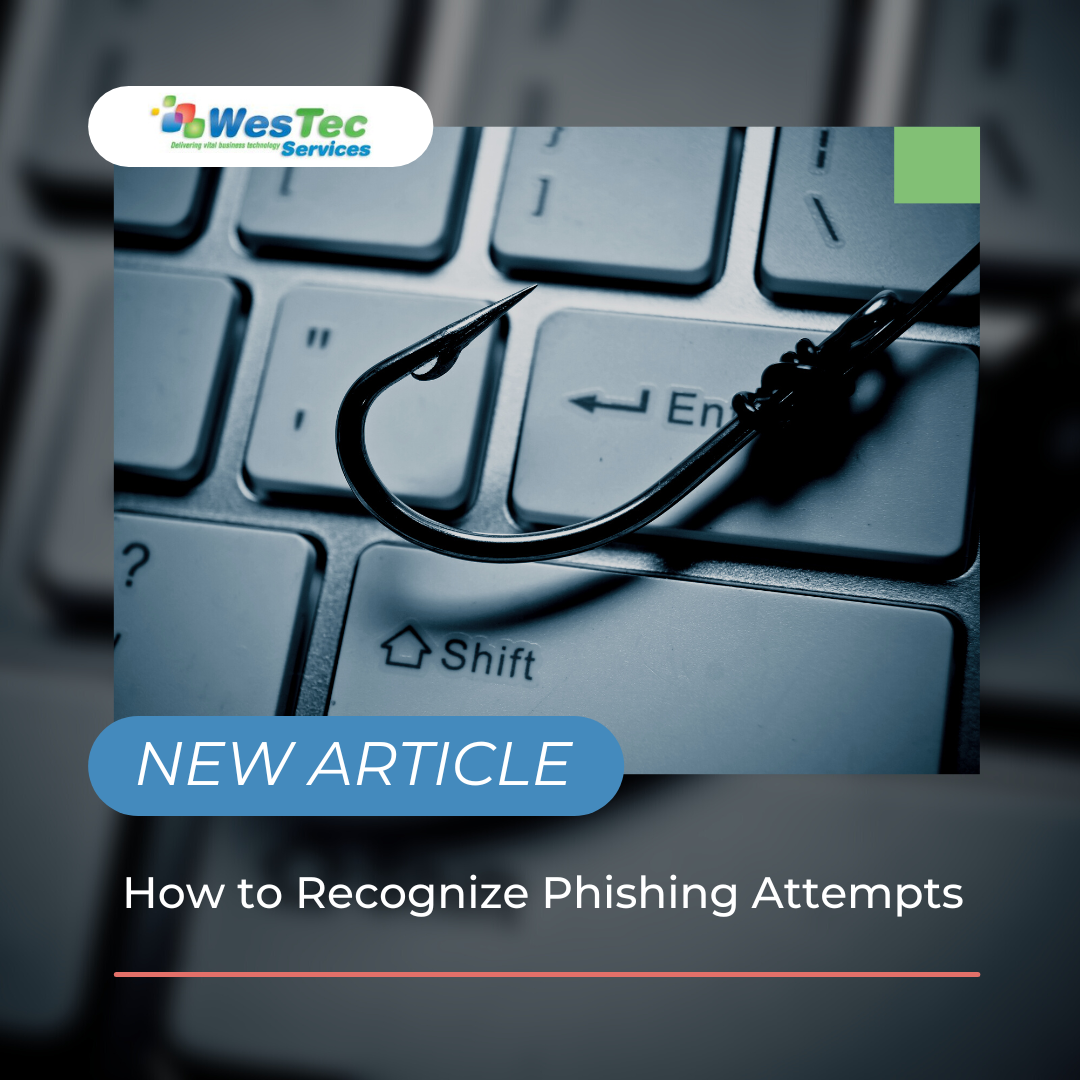
Phishing is a strategy that scammers use to gather personal information and attempt to insert malware into computers. Scammers commonly pose as a major company or an individual within a user’s company. Phishing can be harmful, but there are common signs to look out for to avoid theft of personal information.
Misspellings
Phishing emails can impersonate major companies or individuals within an organization, but there will usually be obvious misspellings. These mistakes can range from improper grammar within the body of the email or a slight misspelling in the person’s email address. At first glance, it may look like a company email address, but be sure to double-check the address before responding to an email from someone unknown.
Links
Additionally, phishing emails rely on users clicking links within the email to steal personal information. The links could be for invoice numbers, “suspicious login attempts,” or requesting confirmation of financial information. These are all prime ways to steal financial or login information. Be wary of links and only click them if it’s from a trustworthy sender.
No Personalization
Generally, if a company sends an email requesting confirmation of some kind, it will probably be personalized for the recipient. Scammers don’t know personal information unless it’s given to them so emails will generally have generic greetings without any identifying information. Real companies will not request financial or login information via email, as it is not secure.
The world of IT is evolving at an unprecedented pace and being driven by the rise of emerging technologies. Businesses that embrace these trends stand to gain a competitive edge, unlocking new possibilities and efficiencies. As we navigate the future of IT, staying informed and adapting to these transformative technologies will be crucial for organizations and individuals alike. Learn about which of our IT services may suit your business’s needs the best. If you have any questions about our IT services, contact us today! Follow us on Facebook to keep up with our latest blogs!
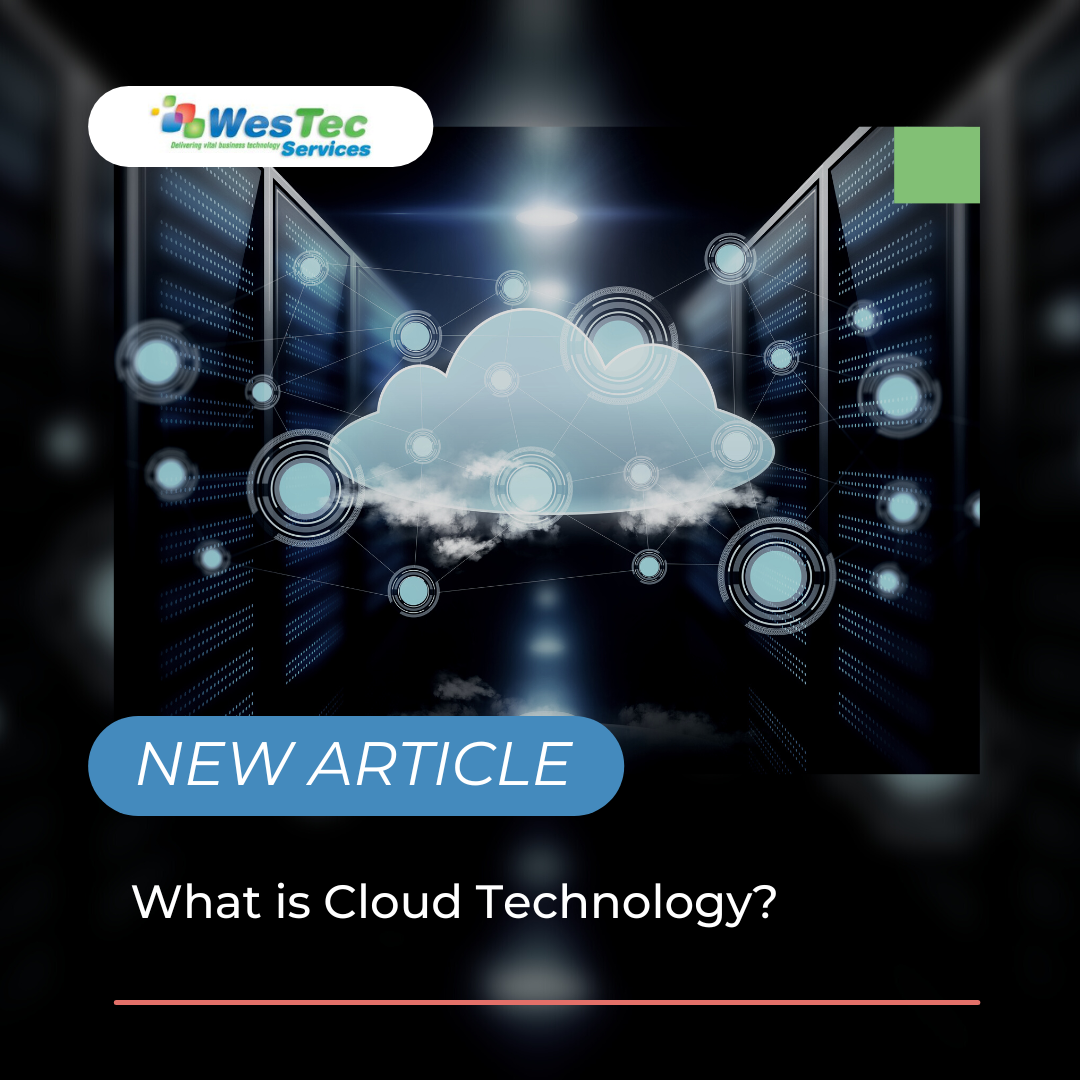
“The cloud” is becoming an increasingly popular term, but what exactly does it mean? Utilizing cloud technology means accessing data and programs via the internet rather than a physical hard drive. Cloud storage allows users to save physical space that a traditional hard drive would take up in addition to freeing space on their computer.
Cloud technology differs from traditional hard drives because it offers “redundant storage,” meaning data is stored on multiple servers. This lowers the costs of having servers on-site and saves an organization time from having to troubleshoot since redundant storage ensures no downtime if one server goes down. If data needs to be restored, the recovery process is quick and seamless. Additionally, businesses usually do not have to manage their servers, as they are oftentimes held in data centers.
There are several different types of clouds, including public, private, and hybrid. There is a cloud type suitable for every business.
Private
A single business or organization usually uses a private cloud. It can be managed by a company’s on-site IT team or a third-party data center.
Public
Public clouds are owned by third parties, which are generally major companies. These are managed by the major company and accessed via the Internet.
Hybrid
A hybrid cloud is a combination of both public and private clouds. Companies tend to store more sensitive information on the private cloud and utilize the public cloud for less sensitive data.
Having good data storage and backups is crucial to the success of every business. Cloud storage provides peace of mind that your business’ data is protected.
The world of IT is evolving at an unprecedented pace and being driven by the rise of emerging technologies. Businesses that embrace these trends stand to gain a competitive edge, unlocking new possibilities and efficiencies. As we navigate the future of IT, staying informed and adapting to these transformative technologies will be crucial for organizations and individuals alike. Learn about which of our IT services may suit your business’s needs the best. If you have any questions about our IT services, contact us today! Follow us on Facebook to keep up with our latest blogs!
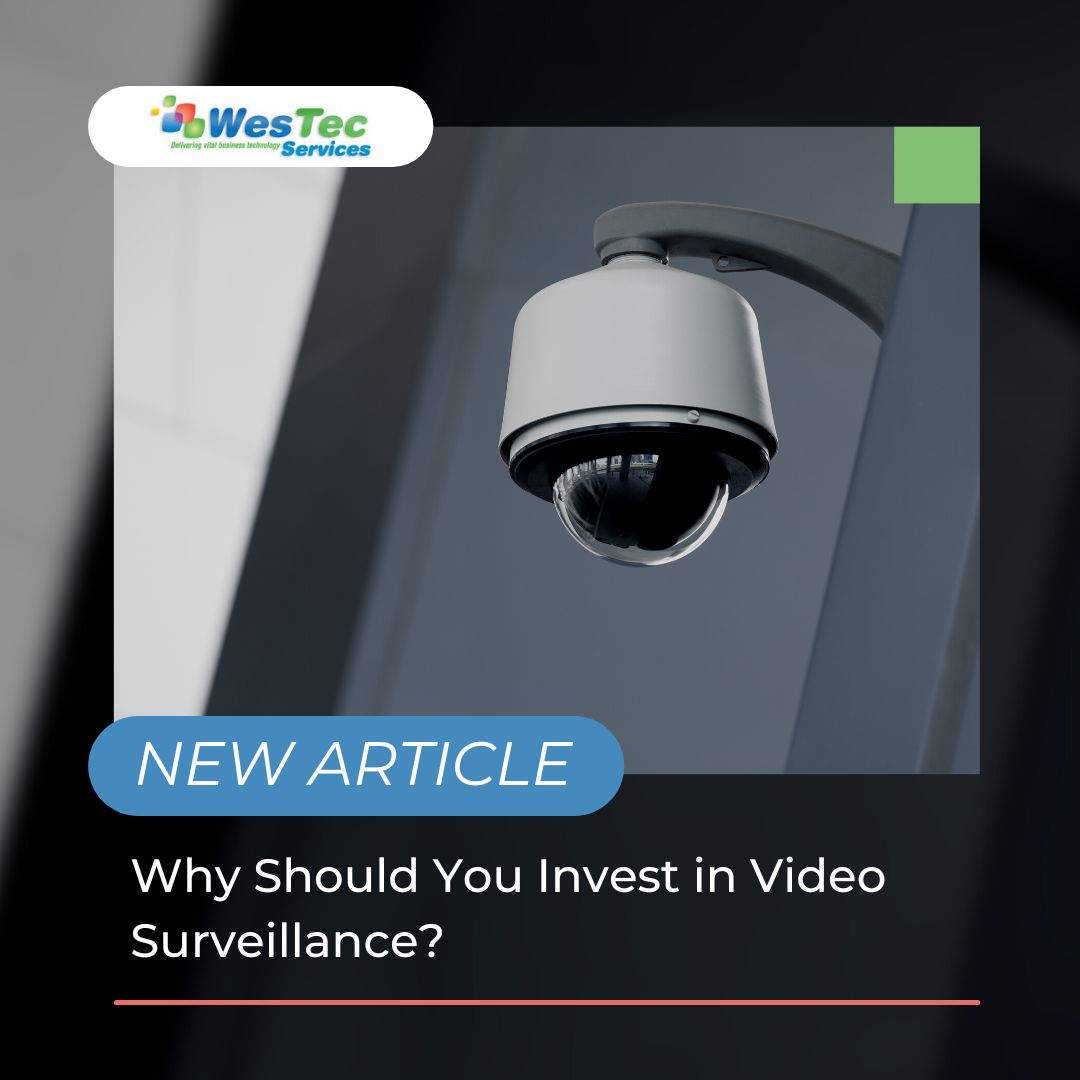
In an era where security concerns are at the forefront of priorities, investing in advanced technologies such as video surveillance has become imperative. Video surveillance has emerged as a powerful tool for enhancing security measures, offering a wide range of benefits that extend beyond simple monitoring. Whether you are a homeowner or a business, security should be a pressing concern for your property. Those looking to strengthen their security measures should always consider video surveillance for multiple reasons we will explore in this article.
First and foremost, the mere presence of visible video surveillance cameras acts as a strong deterrent to criminal activity. Potential intruders, vandals, and trespassers are less likely to target a property that is equipped with surveillance systems, knowing that their actions are being recorded. The proactive nature of video surveillance helps prevent crimes before they occur, creating a safer environment for both physical assets and individuals. In cases like these, video surveillance acts as a preventative measure to any harm that could occur on your property.
In the unfortunate event of criminal activity, accidents, or disputes, video surveillance serves as a crucial tool for documentation and evidence collection. High-quality video footage can help law enforcement and legal authorities in investigating incidents, identifying culprits, and establishing the facts surrounding an event. This evidentiary support can be the key piece in resolving disputes and ensuring justice.
All of these advantages lead to another one which is the overall feeling of safety to those on the premises being secured. Video surveillance provides an extensive means of monitoring and safeguarding spaces, promoting a sense of safety among occupants. In the event of an emergency or security threat, real-time monitoring allows for swift responses, enabling security personnel or authorities to address situations promptly. Advancements in technology have promoted these quick responses with the integration of security systems with remote monitoring capabilities. This allows users to access live feeds and recorded footage from their smartphones, tablets, or computers, providing real-time visibility into their premises. Whether monitoring a business, residence, or public space, remote accessibility enhances situational awareness and enables timely decision-making, regardless of physical location.
Investing in video surveillance is an essential step toward reinforcing security measures and addressing the evolving challenges of today’s world. From deterring criminal activity and enhancing safety to providing documented evidence and supporting remote monitoring, video surveillance offers a well-rounded approach to security. As technology continues to advance, these systems will play an increasingly vital role in safeguarding assets, individuals, and the overall well-being of communities. Learn about which of our IT services may suit your business’s needs the best. If you have any questions about our IT services, contact us today! Follow us on Facebook to keep up with our latest blogs!
The world of Information Technology (IT) is constantly evolving which makes staying on top of emerging technologies and trends crucial for businesses. Several new, groundbreaking innovations are reshaping IT every day and making advancements in many industries. It is important to stay updated on what these trends are in order to find out how they can be applied to your business and its operations. This article will cover five emerging technologies and trends that are just on the horizon for IT.
Artificial Intelligence (AI) and Machine Learning (ML)
Artificial Intelligence and Machine Learning continue to be at the forefront of technological advancements. These technologies enable machines to learn and make decisions, mimicking human intelligence. In the IT realm, AI and ML are being harnessed for data analytics, predictive modeling, and automation. From chatbots providing customer support to predictive maintenance in industries, the applications are vast and continually expanding.
Robotic Process Automation (RPA)
Robotic Process Automation involves the use of software robots to automate repetitive and rule-based tasks. This technology streamlines business processes which improves efficiency and significantly reduces the risk of human error. From data entry to customer service, RPA is transforming how organizations handle routine tasks and making business easier for many.
Augmented Reality (AR) and Virtual Reality (VR)
AR and VR technologies are going beyond entertainment and gaming by finding applications in various industries. From virtual training environments to immersive customer experiences, AR and VR are transforming the way businesses engage with their audiences and employees. Using this technology for a variety of simulations is just the beginning of the many applications possible.
5G Technology
The rise of 5G networks is accelerating the connectivity of devices and systems. As a result, high-speed communication with little delay is more accessible to businesses. With faster and more reliable internet connections, 5G enables the widespread adoption of IoT (Internet of Things) devices, smart cities, and augmented reality applications, transforming the way we live and work.
Cybersecurity Advancements
With the increasing frequency and sophistication of cyber threats, cybersecurity remains a top priority for IT professionals. Emerging technologies such as AI-driven threat detection, blockchain for secure transactions, and zero-trust architecture are fortifying organizations against evolving cyber risks, ensuring the confidentiality and integrity of sensitive information. These advancements should provide a sense of security that all business owners should be aware of and seek.
The world of IT is evolving at an unprecedented pace and being driven by the rise of emerging technologies. Businesses that embrace these trends stand to gain a competitive edge, unlocking new possibilities and efficiencies. As we navigate the future of IT, staying informed and adapting to these transformative technologies will be crucial for organizations and individuals alike. Learn about which of our IT services may suit your business’s needs the best. If you have any questions about our IT services, contact us today! Follow us on Facebook to keep up with our latest blogs!
In the ever-evolving landscape of cybersecurity, businesses face not only external threats but also internal dangers that put sensitive information at risk and compromise the security of the establishment. The importance of detecting and mitigating internal security threats cannot be overstated, as they are often overlooked due to the familiarity of the threat actors within the organization’s systems and operations. In this article, we will explore strategies to effectively identify and address internal security threats.
One way to identify internal security threats is by monitoring user activities within the company’s system by employees and users. Regularly conducting comprehensive training sessions with employees can lower risks associated with inside threats. These sessions can cover the fundamentals of cybersecurity and the potential repercussions of negligent or malicious actions. Analyzing user behavior and activity to identify anomalies or unusual patterns that may indicate malicious intent is also a good practice in identifying internal risks. By spreading awareness and monitoring employees, organizations can recognize and report suspicious activities.
Conducting regular security audits is another method used to identify internal security risks within an organization. Regular security audits and assessments can evaluate the effectiveness of existing security measures. This includes reviewing access logs, analyzing network traffic, and assessing the overall security structure of the organization. Security audits can uncover vulnerabilities and weaknesses that may be exploited by insider threats. With the results from these audits, the proper adjustments and protocols can be put in place to minimize the risk of internal threats.
Lastly, implementing Data Loss Prevention (DLP) solutions and strong access controls is crucial for preventing the unauthorized transfer of sensitive data. These tools can aid in identifying and blocking attempts to access and share confidential information. DLP solutions also assist in monitoring and controlling the use of removable storage devices, minimizing the risk of data leakage through various channels. Employees should have access only to the resources essential for their specific roles and responsibilities. Businesses must regularly review and update user privileges to align with changing job functions, effectively minimizing the risk of unauthorized access and reducing the potential impact of insider threats.
In the world of cybersecurity, organizations must remain vigilant against internal security threats. By implementing a combination of these approaches, organizations can significantly enhance their ability to detect and mitigate the risks posed by insider threats. A proactive stance, coupled with continuous improvement and adaptation, will empower organizations to safeguard their information and maintain strong security in the face of evolving internal threats. Learn about which of our IT services may suit your business’s needs the best. If you have any questions about our IT services, contact us today! Follow us on Facebook to keep up with our latest blogs!
In an era dominated by digital advancements and interconnected systems, having a stable security strategy for your business’s IT infrastructure is essential. The increasing frequency and sophistication of cyber threats require businesses to adopt strong and reliable IT security strategies even more. Choosing the right approach can be a daunting task, given the multitude of options available. This article can help guide you on what to consider when selecting the best IT security strategy for your company.
There is no one-size-fits-all solution for IT security. You must consider your company’s specific industry, size, and operational requirements when selecting security measures. For example, a strategy that works well for a financial institution may not be suitable for a creative agency. Defining your company is the first step in determining what IT security solution is best for your business.
It is also important to choose a strategy that can adapt to the evolving nature of cyber threats and accommodate the growth of your company. You must examine the current size of your company and future goals to ensure that the scale of your IT security plan covers all areas. Scalable and flexible solutions ensure that your security measures remain effective as your business expands. The technology of the world is constantly changing, so it is vital to have a security solution that can keep up with that change.
Looking into what risks your business is most prone to is also useful in selecting the best IT security solution for it. By conducting a thorough risk assessment, potential vulnerabilities are identified and can be prioritized based on potential impact and likelihood. This analysis provides a foundation for tailoring your security measures to the specific needs and risks faced by your company.
Selecting the best IT security strategy for your company requires careful consideration of the unique risks and requirements you face. Even after choosing a security solution, it is important to regularly reassess and update your IT security strategy to stay ahead of emerging threats and protect your company’s sensitive information in the ever-changing digital landscape. Learn about which of our IT services may suit your business’s needs the best. If you have any questions about our IT services, contact us today! Follow us on Facebook to keep up with our latest blogs!
Ransomware is a type of malicious software, also known as malware, designed to encrypt a victim’s files or entire computer system, making it inaccessible until a certain ransom is paid to the attacker. The attacker will typically demand payment in cryptocurrency, making it difficult to trace the destination of the transactions. Once the ransom is paid, the attacker claims that they will provide a decryption key or tool to unlock the victim’s data, allowing them to regain access. Both individuals and businesses should be able to identify ransomware attacks as early on as possible in order to take the best course of action in mitigating the attack minimizing its damages.
Identifying Ransomware Attacks Ransomware attacks should be identified as early as possible in order to minimize the damages and losses. Early tells of ransomware include out-of-the-ordinary file behavior as it typically changes the file extensions of encrypted files to something unusual. For example, your files might have “.locked,” “.encrypted,” or other unfamiliar extensions at the end or completely unrecognizable file names. When you attempt to open your files, you could also receive an error message or find that the contents have been scrambled and are inaccessible. These are just a couple of ways to identify a ransomware attack early on before the actual ransom note. It is essential to have strong cybersecurity measures in place to protect against ransomware attacks. Regularly updating software, implementing strong security practices, maintaining backups, and educating users about the dangers of phishing and malicious attachments are some of the best practices to prevent falling victim to ransomware.
Mitigating Ransomware Attacks What do you do after you have identified the use of ransomware in your system? Generally speaking, it is not advisable to pay the ransom, as there is no guarantee of receiving a decryption key, and paying only fuels the criminal activity. Instead, victims should seek assistance from law enforcement agencies and cybersecurity experts to explore other potential solutions for data recovery. These are experts in the field and have the resources to either track the attack back to the attacker or provide potential data recovery options in the case of stolen information. Additionally, users should disconnect the device with ransomware from the network in order to prevent it from spreading even further to other devices. Isolating the affected system from the network, refraining from paying the ransom, and seeking assistance from cybersecurity experts are all parts of mitigating a ransomware attack.
Ransomware attacks can be highly disruptive and damaging, affecting individuals, businesses, and even critical infrastructure. The motivations behind these attacks vary; some attackers are financially motivated, while others may have political, ideological, or malicious intentions. Make sure your technology is always up to date and secure to protect your data. If you have any questions about our IT services, contact us today! Follow us on Facebook to keep up with our latest blogs!
Spoofing attacks are a type of cyberattack in which a cybercriminal will hide their identity by disguising themselves as a trustworthy source in order to gain highly sensitive and valuable information from their victims. There are multiple methods of spoofing attacks such as email, IP, and caller ID spoofing that put victims at high risk of their cybersecurity. Being able to detect and prevent these attacks are skills that all internet users should have to protect both themselves and their organizations.
Detecting Spoofing Attacks
Early detection is key to combating the consequences of spoofing attacks. Implementing extra layers of security to all of one’s systems and accounts through methods such as Multi-Factor Authentication and Anti-spoofing Software are effective ways to detect suspicious activities before it is too late. Additionally, installing certain protocols or digital signatures on forms of digital communication such as emails allows users to have security when sharing valuable information as they feel assured that it is going to a source that they trust. A combination of multiple methods of spoofing attack detection will increase the amount of protection that one has against them. It will also allow time for one to develop a response plan whenever an attack is detected by discovering and tackling the issue from its source.
Preventing Spoofing Attacks
There are also multiple methods to prevent attacks from occurring in the first place. Practicing habits such as updating software regularly, undergoing phishing awareness training, and installing intrusion detection systems are all recommended to avert falling victim to spoofing attacks. These are all methods that create more obstacles for spoofers to overcome to gain the important information they seek. By having a team with individuals who are all aware of the threat that spoofing attacks pose to cyber security, the attacks and their consequences can be averted before the damage is already done. Being able to prevent the attacks also increases the amount of trust that someone may have in the company or organization as it demonstrates the measures taken to ensure the cybersecurity of their data and information.
The detection and prevention of spoofing attacks are vital to ensure consequences such as data breaches, financial losses, and damage to an organization’s reputation are avoided at all costs. In the age of evolving technology, it is important to also evolve in cybersecurity methods as well. This is only one of many examples of digital corruption, and an awareness of how to detect and prevent them can restore trust in digital systems. If you have any questions about our IT services, contact us today! Follow us on Facebook to keep up with our latest blogs!
Have you ever got the feeling that someone is watching you? That feeling might not be completely out of pocket. Whoever is watching you may not be outside your window or monitoring your physical movements, but are viewing your activity on your electronic devices. Anyone is vulnerable to spyware, and can be a victim of theft or hacking at any moment. Here’s how to detect it and what to do to protect yourself.
What is Spyware?
Spyware is a type of malicious software designed to secretly gather information from a user’s computer or device without their knowledge or consent. This information can include sensitive personal data, such as login credentials, financial information, browsing habits, and more. This malware is hidden from the user’s naked eye and is used without their awareness. This is then followed by sending the collected data to a remote server or third party. Types can vary, but can derive from email attachments, downloading pirated software, and clicking on questionable links.
Detection & Prevention
Detecting spyware on your computer or device can be challenging because it is designed to operate discreetly. However, there are several signs and methods you can use to detect the presence of spyware such as installing antivirus softwares. These programs are designed to detect and remove spyware and other malware, ridding your device of potential threats. Run regular scans to check for any infections and be sure to keep them updated. Be vigilant for any unusual behavior on your device such as sluggish performance, crashing, freezing, pop-ups, or suspicious browser settings.
Spyware can be unpredictable at times, but it’s important to stay aware and look for any signs of malicious behavior. If you have any questions about our IT services, contact us today! Follow us on Facebook to keep up with our latest blogs!
In today’s world, cameras can be found all around us. Whether they’re hidden in doorbells, on the side of buildings, or even in the hands of smartphone users, they can be found just about anywhere. Though, not all company owners choose to invest in surveillance cameras, and can pay the price because of it. Here are a few reasons why you might want to consider adding video surveillance to your business.
Prevents Theft
Without surveillance cameras, there is a high chance that theft will commonly occur within your business. Installing visible cameras will deter most people from stealing when they know they’re being watched. This way, you can monitor both your customers and employee’s activity throughout the day. It can also be useful to have in case of an emergency or robbery, having the ability to provide visual evidence to police or insurance companies.
Increases Safety
Safety should be everyone’s number one priority in the workplace, especially in industrial type businesses. Having a surveillance camera can be the quickest way to reach an employee or customer who is in need of help. It’s a sense of security for those operating heavy machinery, walking alone to their car in the evening, or for any other unexpected accident. This will make those who work for you feel more comfortable with their surroundings, which is critical as a business owner.
Saves Money
It might not be well-known to everyone, but having surveillance cameras can typically call for a discount. When it comes to insurance, premiums can be quite expensive when covering commercial properties. Some insurance companies will lower your premium when you invest in video surveillance, which can lower the chances of criminal activity.
Adding surveillance to your business is like adding an extra layer of protection to your assets. Give yourself the piece of mind and install surveillance for the sake of your company. If you have any questions about our IT services, contact us today! Follow us on Facebook to keep up with our latest blogs!
Cyber attacks have become a large issue and concern for many businesses. Since technology continues to change and develop everyday, it has revealed vulnerability in protective digital software. The result of this being the significant rise of security breaches, with any and all industries being at risk. However, there are those who are at a greater risk than others, and are commonly targeted by cyber attackers. Here are the 4 most vulnerable industries to cyber attacks, and why they require higher level security.
Healthcare
The healthcare industry is specifically targeted based on the amount of sensitive and personal data they handle. Ransomware poses a great threat to healthcare companies, with cybercriminals making their data inaccessible unless a payment has been made. With healthcare industries possessing multiple patient files, personal information, and payment statements, the attackers are aware that the organization cannot bear the expense of losing data.
Government Agencies
When it comes to government data, there’s no surprise as to why cyber criminals would desire access. Government agencies contain personal identifying information, classified documents, and military secrets. These agencies face threats such as cyber espionage, which is the spying and installation of spyware to government devices. They also must look out for insider threats, which is the leaking of confidential information through their own employees. This can be both accidental and deliberate. Phishing can also trick employees into sending sensitive information to the wrong recipient.
Financial Institutions
Due to the large amount of money and financial information banks and other financial services manage, cybercriminals have all the reason to target them. Money has become extremely digital, which has created new ways to exploit any weaknesses in the system. Thieves will phish, use mobile malware, and hack into banking accounts and commit fraudulent transactions.
Retail
Shops in-store and online are vulnerable to the theft of valuable data. They struggle with the issue of credit card fraud, online data breaches, and identity theft. Credit card fraud can cause all kinds of unwanted trouble for retailers, and can lose profit at the hands of fraudulent purchases. Identity theft poses a threat because of thieves that steal other user information to create credit card accounts to make purchases. Customer credentials are at risk at the expense of data breaches, so security software should always be stable and secure.
These industries might be commonly targeted, but any company of any size can be at a risk of cyberattacks. Taking preventative measures will protect your company, your employees, and those who keep you in business. If you have any questions about our IT services, contact us today! Follow us on Facebook to keep up with our latest blogs!
The purpose of VPN security is to protect and encrypt sensitive data by masking IP addresses. VPN stands for “virtual private network”, and they are used to conceal browsing activity, personal identity, and current location. VPN’s make users typically feel safer and more secure, but are they capable of posing potential threats? Learn how and why VPNs can strengthen your company’s security and how to avoid a potential breach.
Why Use a VPN?
The benefits of using a VPN can apply to anyone wishing to protect their digital privacy from cyber attackers. It adds an extra layer of security when using public Wi-Fi, which can be dangerous if making online purchases or answering emails. A VPN will hide your banking information and confidential passwords from those who prey on such information. Working remotely has become a popular method of employment, but it can increase the risks of cyber threats when working outside of the designated office. When you are not under the protection of your employer’s provided Wi-Fi or protected network, it can put your company’s data at risk. The use of a VPN can help secure your work-related material when utilizing work devices outside of the office.
VPN Risks
While VPN’s are known to help keep data safer, there are also security risks to consider when choosing to use one. The idea that using a basic consumer VPN will retain complete anonymity is a huge misconception that will make you a more vulnerable user. With a VPN or not, no one is likely completely anonymous when using the internet. It’s important to bring this to the attention of your employees to deter them from using social media on work devices or accepting cookies on flimsy websites. Make this known to avoid cyber breaches from occurring and harmful malware from being downloaded. Investing in a secure and specialized VPN can improve security among your company, so avoid using basic consumer VPNs that might feel safe, but are not enough for business level security.
Using a VPN can help protect your users from base-line threats, but it’s crucial to understand that the internet is a dangerous place. Suspicious activity will continue to arise no matter how secure we feel. Awareness is key to limiting harmful threats and keeping your sensitive information safe. If you have any questions about our IT services, contact us today! Follow us on Facebook to keep up with our latest blogs!
Human errors can happen, and can be the cause of up to 95% of cybersecurity related breaches. With that being said, the best way to prevent these mistakes would be to implement solid training to your employees. The purpose of training is to strengthen your team’s knowledge and awareness of modern threats and how to combat them properly. Regular training will keep your employees up to date, helping your company steer clear of most errors. To achieve this, here are some of the best awareness training topics to consider.
Phishing Attacks
Phishing attacks impersonate the company or professional you work for, luring users to click on suspicious links. Many attempts in the past have been easier to recognize, but phishing attacks have become more intelligent overtime. They pose a great threat due to how believable they can be, and can cause a cyber attack if fallen for. Train your employees on this subject to help them identify suspicious activity, messages, or attachments.
Passwords and Authentication
Passwords can seem like a simple log-in element, but they are what protects your company’s security. If you use a common or easily guessed password, you are putting yourself at risk for a cyber attack. Cyber criminals will attempt to log into your accounts in hopes of gaining access to your sensitive information. Bring this to your employees’s attention through complex training, reminding them of the importance of updating their work passwords. Authentication methods can be made more secure by adding questions that the employee will only know the answer to. Express the significance of passwords and why you should always keep them confidential.
Remote Work
Working remotely is a great way to meet a well balanced lifestyle between work and social life. However, utilizing personal devices can increase the risk of a security breach. Make sure your remote employees are trained to understand the importance of installing antivirus software to home laptops to prevent cyber attacks. It is also important to never leave your device unattended when containing important company files. To successfully work remotely without risking data security, educate your staff to be aware of these dangers.
Your security is to be protected, so administering training will improve standards of the company as a whole. If you have any questions about our IT services, contact us today! Follow us on Facebook to keep up with our latest blogs!
When it comes to IT work, it can take a village to keep everything up and running smoothly. There are a lot of important roles and responsibilities in this industry, and should all be recognized for what they contribute. Coming up on July 28th, 2023, we call all IT companies to celebrate and to show appreciation to their system administrators.
What is a System Administrator?
A system administrator or sysadmin, is a technology professional who upholds multi user computing systems to ensure smooth IT operation and performance. They are the ones who monitor the company’s computer systems and internet servers, while installing protective software and troubleshooting hardware. They keep the ball rolling smoothly, creating a functional computing environment. Specific tasks include but are not limited to patching unstable software, performing backup recovery, and identifying cyber security threats. These abilities are crucial and allow other parts of the department to function normally.
How to Celebrate
The system administrator position is consistently evolving at a rigorous pace, meaning that learning and developing never stops for them. To celebrate their commitment to making such a difference in the IT world, try and learn more about what their purpose is and what they do. As the specialized problem solvers they are, they deserve recognition for keeping everyone afloat. Treat these professionals with office cake, ice cream, or a well deserved day off! Order in lunch for the staff in lieu of the special holiday, taking the opportunity to shine that spotlight on your favorite sysadmin.
When it comes to IT, all positions are complex and play a huge role in a company. On July 28th, let us recognize the importance of system administrators and show them our gratitude for their role.
As we evolve in the technological world, our demands for more advanced technology grows. With the use of artificial intelligence, we can achieve endless possibilities in both businesses and entertainment as A.I. continues to make breakthroughs. With the amount of beneficial uses A.I. has offered us in our daily lives, it seems appropriate to celebrate it! Artificial Intelligence Appreciation Day is a day to acknowledge the contribution A.I. has made, and how it’s changed the course of how we perform in many industries today.
Where A.I. is Found Today
A.I. has proven itself useful in today’s day and age, but where could we find it most commonly? Today, artificial intelligence can be used to improve customer experience, especially for those who enjoy shopping. The E-commerce industry has found a new and personalized way to engage with their customers, like making recommendations that correlate with a user’s purchase and browsing history. Many companies also refer customers to an A.I. chatbot that can answer frequently asked questions. This provides the customer with a quicker and more efficient fix, rather than having to wait on the phone for a live customer service operator. Education has also utilized A.I., giving administrators and other faculty members the ability to educate more students at a time. This enables teachers to digitize their programs, creating educational content for a larger audience. Healthcare has also made some productive breakthroughs with the help of A.I., used in machines that can detect diseases and analyze lab work much quicker than the average worker.
How To Celebrate
If you want to find ways to celebrate and appreciate artificial intelligence, simply take the time to research it. Where you find A.I. might surprise and fascinate you, and learning about what it does to improve our daily lives is the best way to express gratitude. You may be surprised to learn that A.I. is even found in your favorite video game. Pick up the nearest PC or controller and interact with the game’s NCP characters. If you wish to become more hands-on, create your own project by teaching yourself or others how to program, a skill that could benefit you and your future self later down the line. If you happen to spark up an interest, convince yourself to attend A.I. conventions to gather and converse with other A.I. enthusiasts.
Finding ways to celebrate A.I. are endless, just like the capabilities it continues to accumulate everyday.
It’s common to jump on a website and immediately see a pop-up regarding accepting cookies, and can even be mandatory if you wish to continue to the site. But have you ever truly understood what exactly you’re accepting? Cookies and privacy terms can vary website to website, but here’s what you should know before you make the click.
What Are Cookies?
Cookies allow websites to remember and store information when you use their site. This information can include your name, your login, your purchase history, and more. Depending on what site you visit, it may or may not be wise to accept cookies. Some sites enforce the use of cookies to produce a better experience for the user. This can include personalizing the site based on your preferences and to save your desired items for later. Some cookies are placed by advertisers, which is considered a third party to the site. In this instance, you may want to install safety software to prevent private information from being stolen. The privacy terms you are accepting are there to let you know that the site is transparent about data tracking. So if this concerns you, be sure to read over the conditions before allowing cookie usage.
When To Say No
While most websites use cookies to create a better experience, there are plenty of reasons to be cautious. If you notice a website is not encrypted, it means there is very little protection for your information. If you are able to catch that the cookie agreement is for third parties, refrain from accepting them. This can allow your data to be stolen, sold, and more vulnerable to hackers. Finally, if you are entering in personal or banking information, do not allow cookies to be used. It is always better to be safe than sorry when it comes to your data.
It can be hard to differentiate between a trustworthy or an untrustworthy site, so always pay attention to what terms you accept. If you have any questions about our IT services, contact us today! Follow us on Facebook to keep up with our latest blogs!
Mission: WesTec will be a “turn-key” solution for all of its clients’ business connectivity needs. It will offer efficient and effective solutions, directly and with strategic partners, that create tangible value for its clients at every point of contact. Westec will serve all people and entities with a servant’s heart.
Get in touch
2916 West TC Jester Blvd.,
Suite 104
Houston, TX 77018








 2916 West TC Jester Blvd.,
Suite 104
2916 West TC Jester Blvd.,
Suite 104